
Philippine Stakeholders Strengthen Port Preparedness along the Luzon Economic Corridor
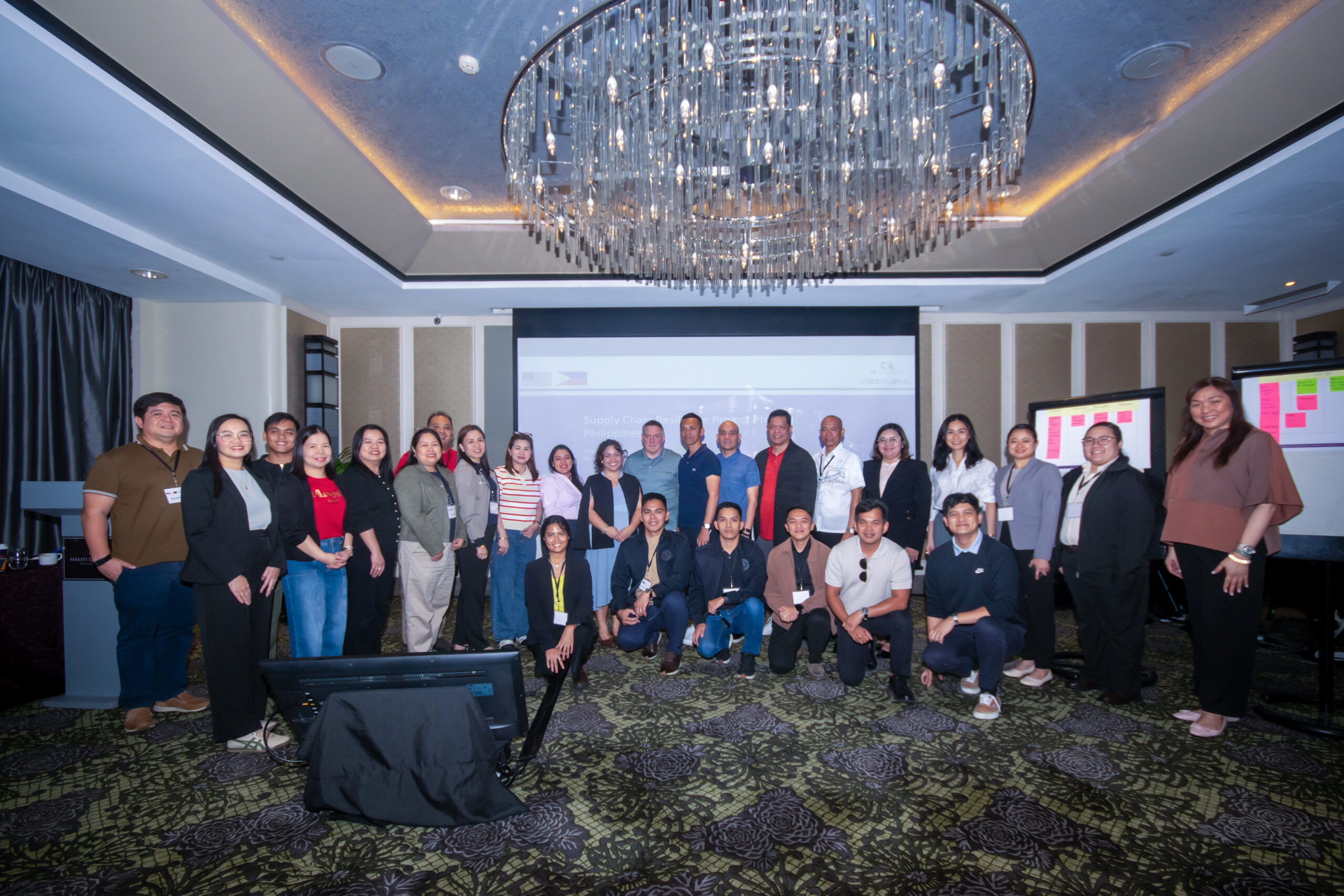
Philippine government and private-sector stakeholders convened in Metro Manila in October 2026 for a five-day technical engagement focused on preparedness for disruptions affecting the Batangas port ecosystem. Implemented by CRDF Global under Phase II of the Supply Chain Resilience Project (SCRP), the engagement combined working sessions with a multi-agency tabletop exercise to examine how organizations coordinate to keep cargo moving.
SCRP forms part of the Indo-Pacific Smart and Secure Ports Program (SSPP), supported by the U.S. Department of State’s Bureau of East Asian and Pacific Affairs. The Philippine engagement supports the Luzon Economic Corridor by addressing the information sharing and continuity arrangements that connect port operations with the businesses relying on them.

Building on the July Consultations
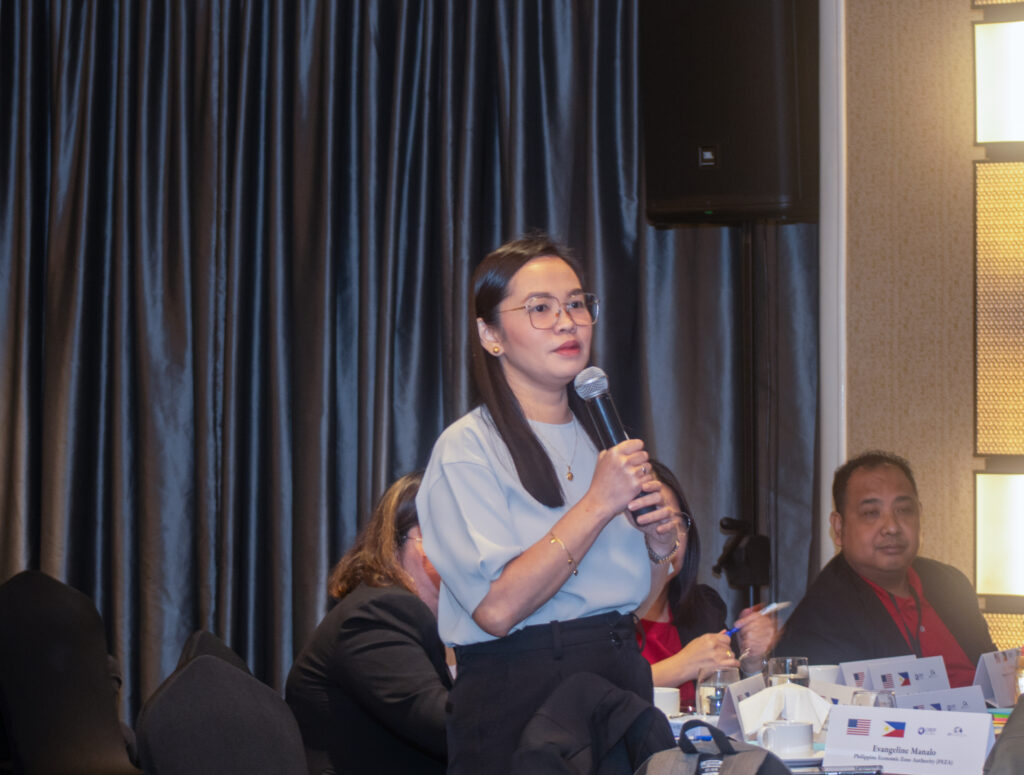
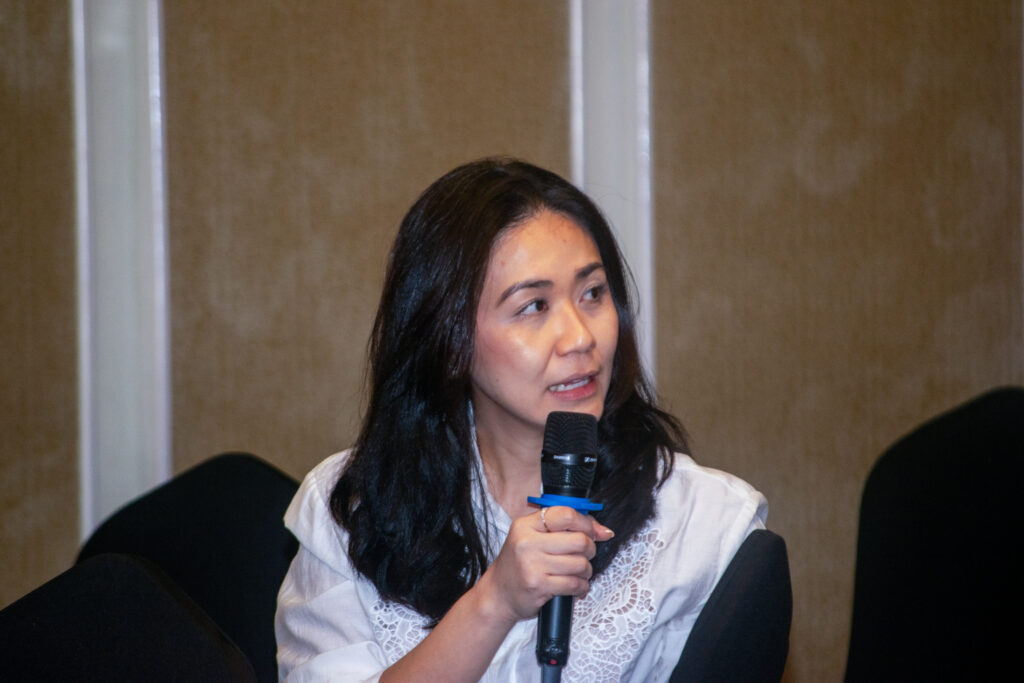
Phase II built on consultations conducted in July 2026, which identified opportunities to strengthen information sharing, digital interoperability, and coordinated continuity planning. Participants included representatives of the Philippine Ports Authority, Bureau of Customs, Philippine Economic Zone Authority, and International Container Terminal Services, Inc., bringing government and commercial perspectives to the discussions.
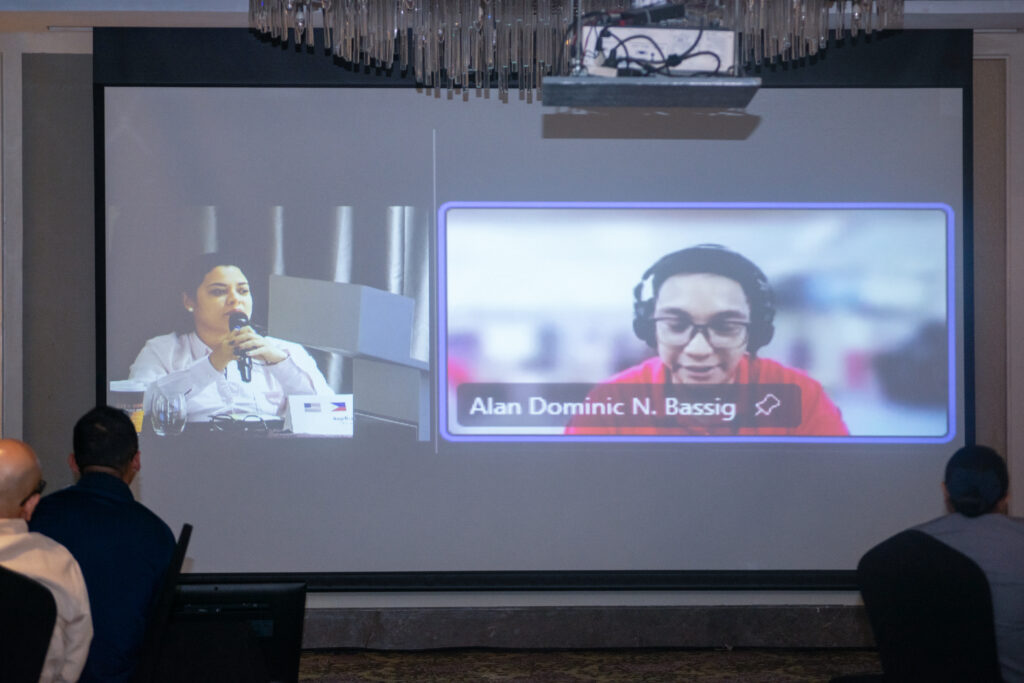
In her opening remarks, Taelor Logan, SSPP Program Manager at the U.S. Department of State, explained that the project was designed to “work closely with ports at a detailed operational level, focusing on coordination, information sharing, and continuity planning.”
Practicing Coordination during a Disruption
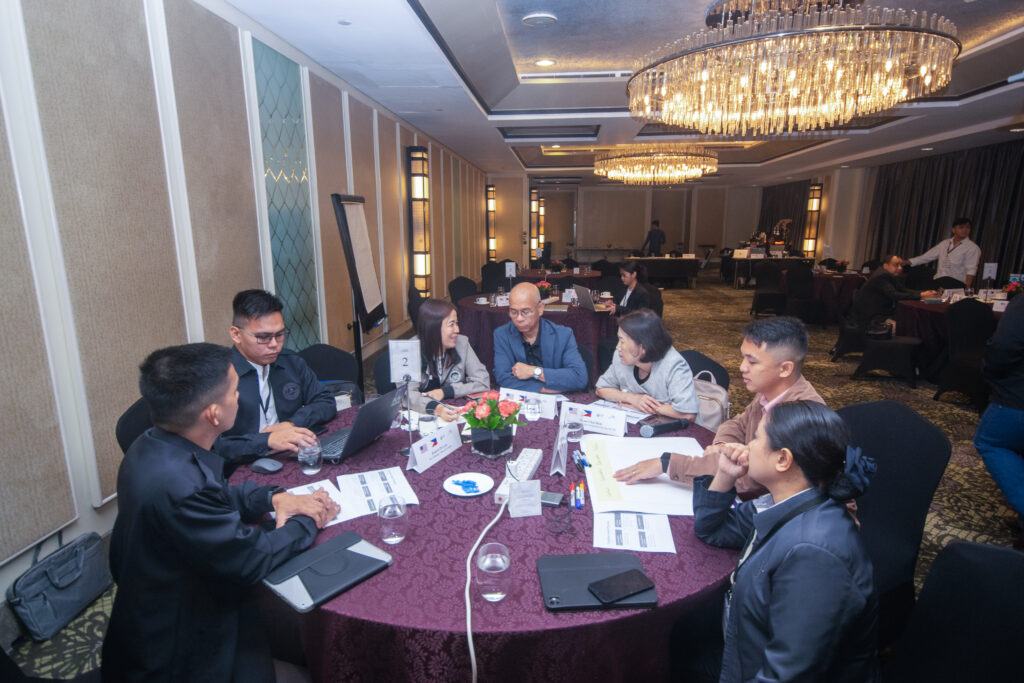
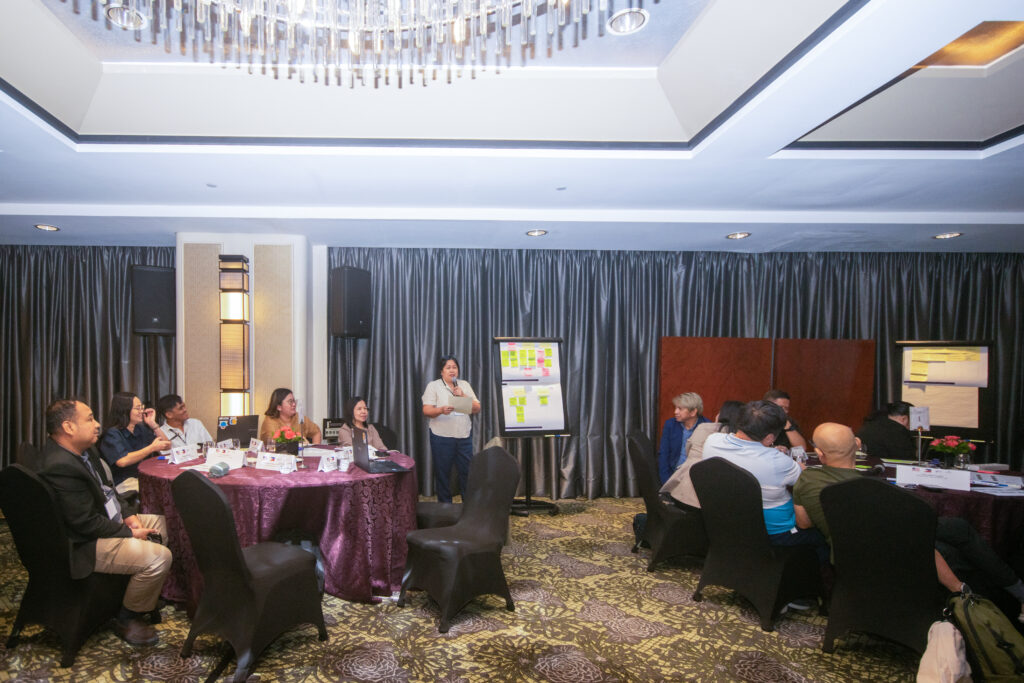
The tabletop exercise examined a simulated customs-system outage and its effects on cargo movement and port operations. Participants worked through who should be notified, how information could be verified and shared through trusted channels, and what fallback arrangements could support continuity. Discussions also considered how organizations coordinate when an incident affects a single port.
The engagement generated practical proposals to improve notification, communication, and operational coordination. These will inform Phase III planning and further review by participating organizations.
Supporting Shared Economic and Security Interests
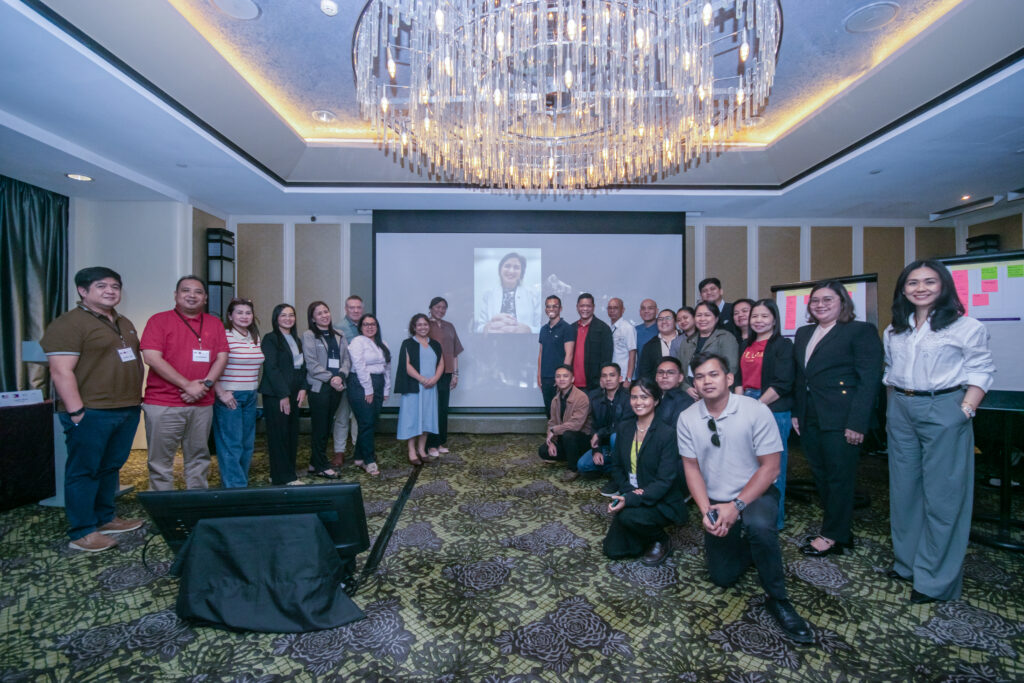
In her closing remarks, Jen Schmidt of the U.S. Embassy in Manila described Philippine security and prosperity as “intertwined with our own.” She linked the engagement to the Luzon Economic Corridor and emphasized the needs of businesses relying on Batangas to keep their supply chains moving, describing this as “critical work that fuels both the Philippine and the U.S. economy.”
Schmidt emphasized sustained follow-through so that the relationships and proposed improvements developed during Phase II deliver lasting value to the port community.