
Smart and Secure Ports Program Expands Port Resilience Cooperation in Central Vietnam
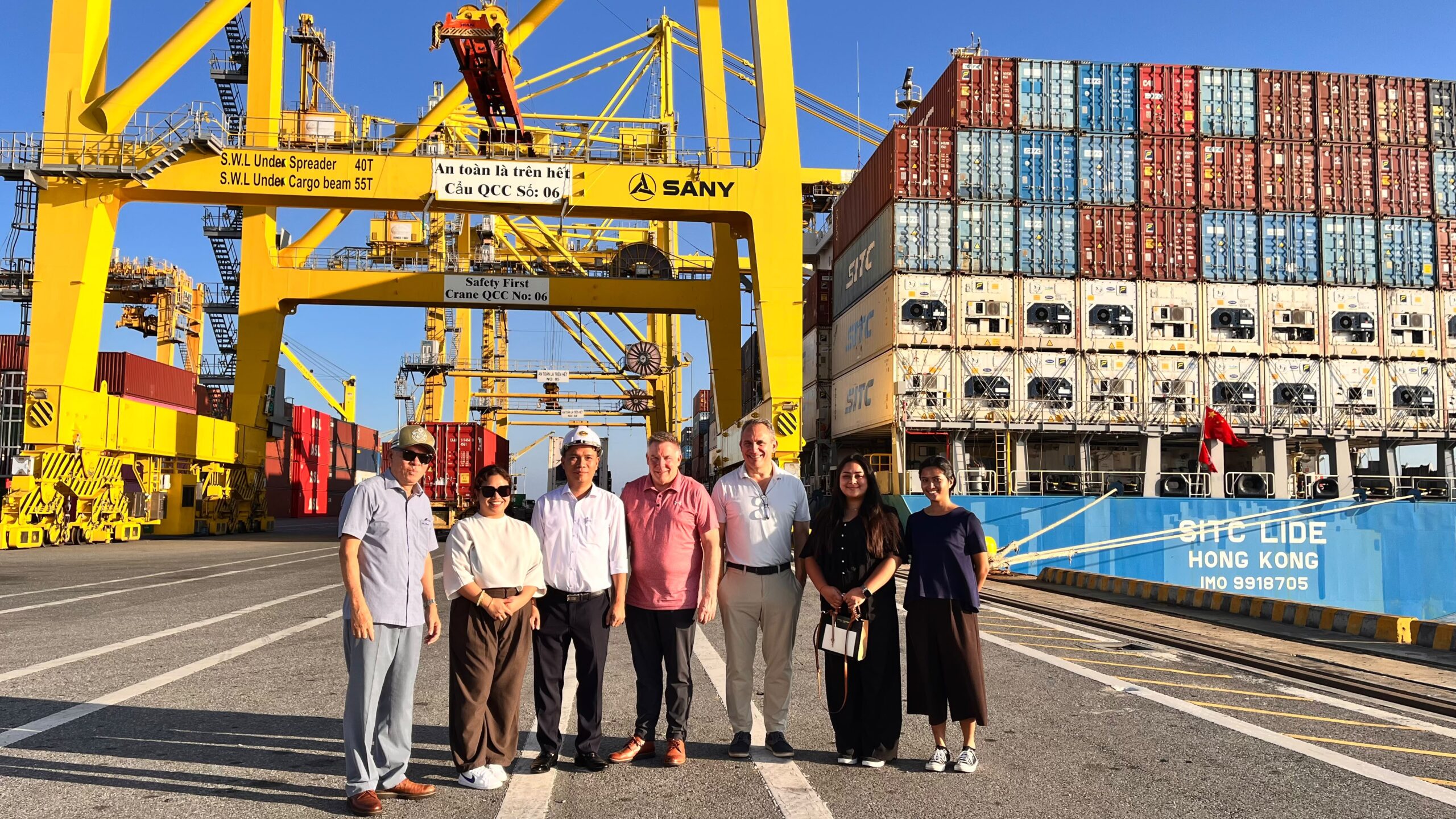
The Indo-Pacific Smart and Secure Ports Program (SSPP) expanded its engagement with Vietnamese maritime stakeholders through Supply Chain Resilience Project (SCRP) Phase I consultations in Central Vietnam from October 22 to 28, 2026. Building on the consultations with Cai Mep port ecosystem in southern Vietnam, the engagement examined local operating priorities to guide practical technical cooperation.
Supported by the U.S. Department of State’s Bureau of East Asian and Pacific Affairs and implemented by CRDF Global, SSPP promotes port modernization, security, and resilience across the Indo-Pacific. Under SSPP, SCRP provides bilateral support that links port ecosystems with practical technical cooperation and follow-through shaped by partner priorities.
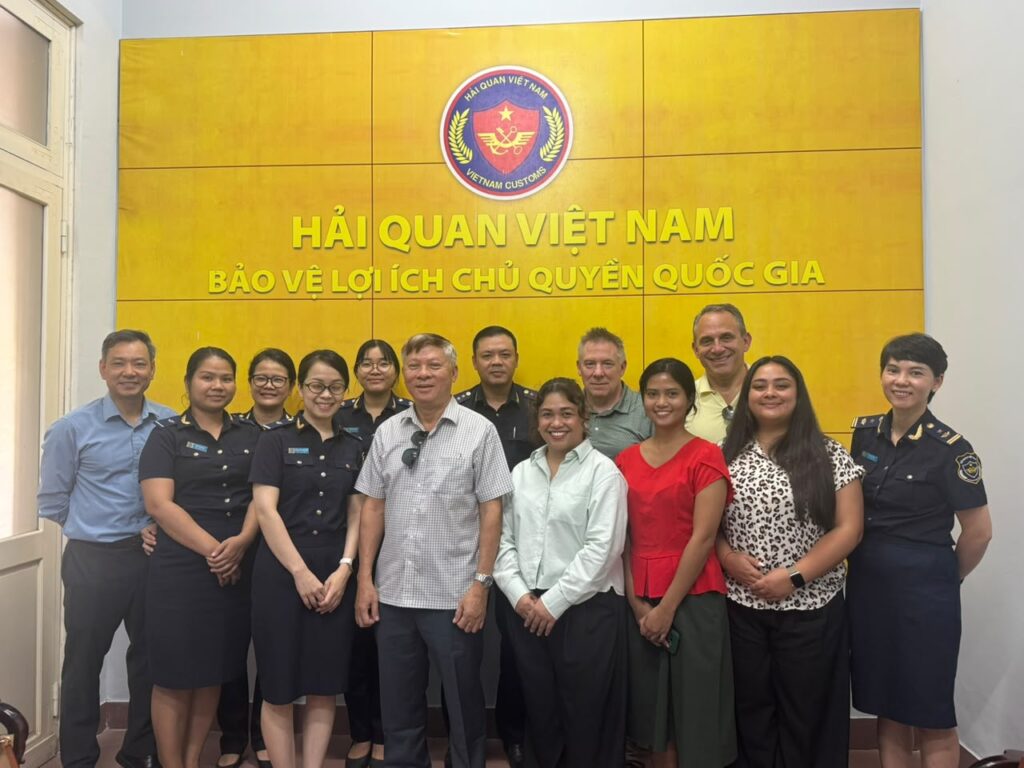
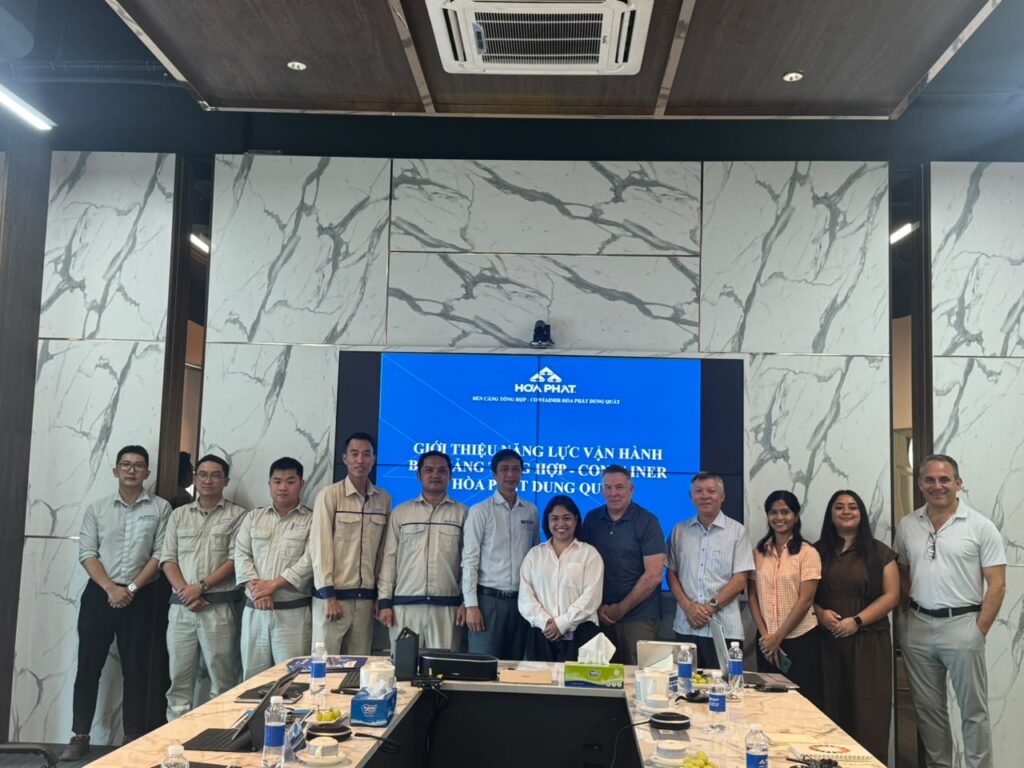
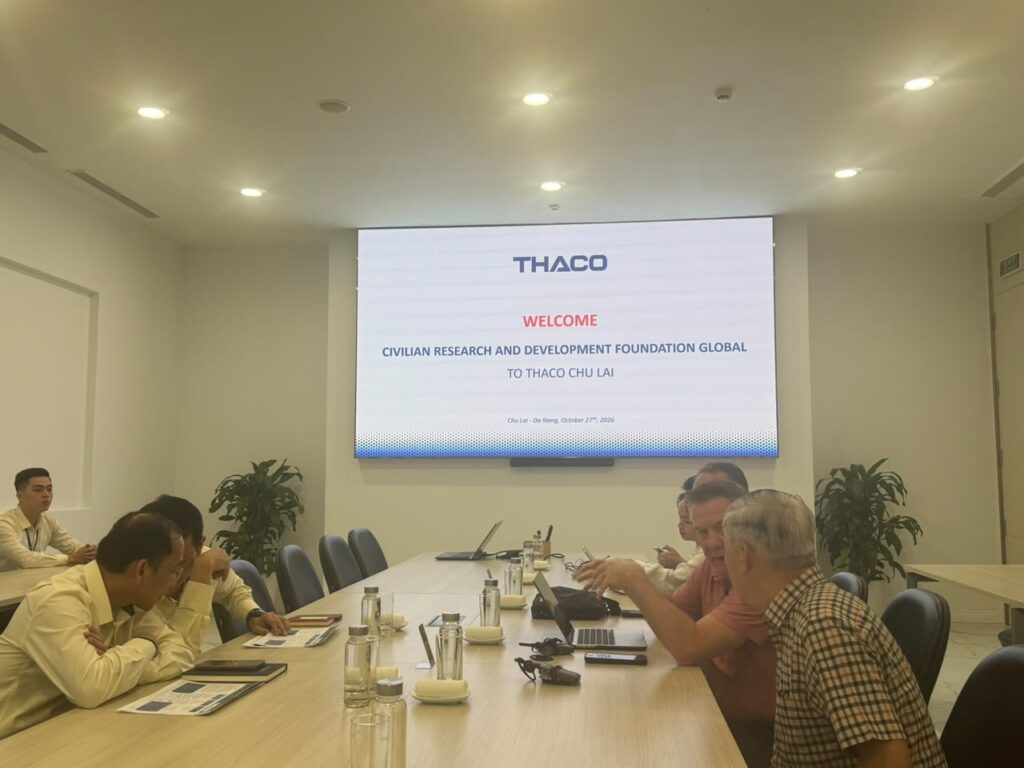
Understanding the Port Ecosystem
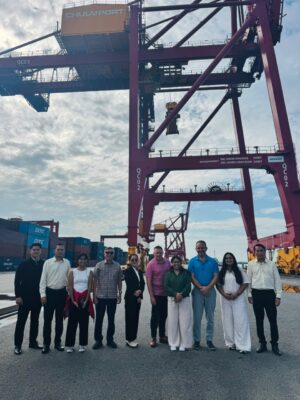
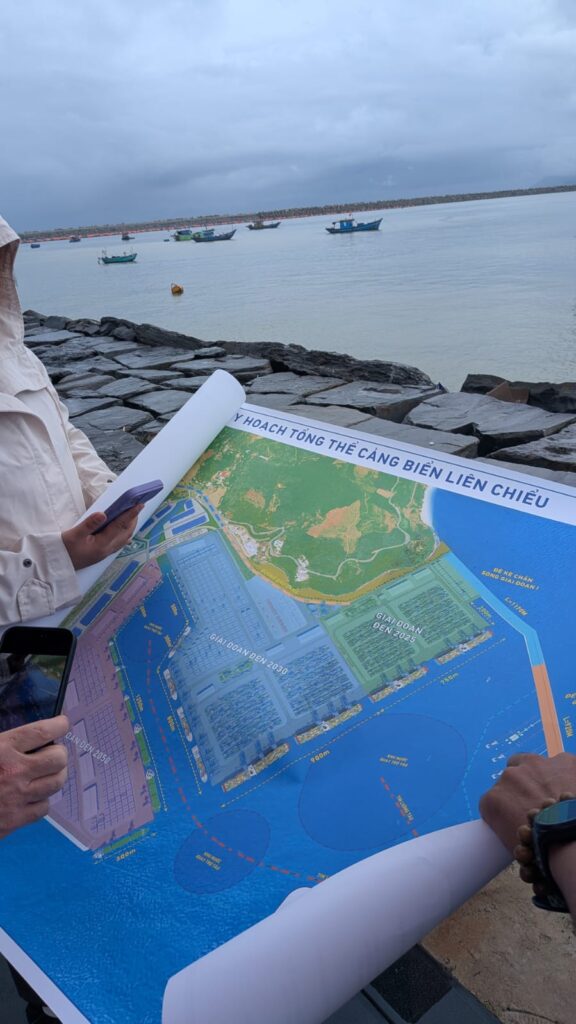
Maritime authorities, port operators, manufacturers, logistics providers, and Customs officials contributed to meetings and site visits examining how port operations connect with industrial zones, transport services, and customs processes. Discussions addressed information exchange, cybersecurity, infrastructure modernization, and the arrangements needed to maintain operations during disruptions.
Including manufacturers and logistics providers helped place port operations within the wider movement of goods to and from their markets. These perspectives will inform how future assistance addresses the dependencies between organizations and the operational decisions that affect cargo flows.
The Central Vietnam engagement also broadened the range of operating environments considered under SCRP. The region’s mix of manufacturing, logistics, and cargo activities provides a distinct context for assistance, requiring priorities to be developed with local stakeholders and grounded in their responsibilities and needs.
Developing Priorities for Continued Cooperation
Under SCRP, the findings and proposed priorities will be validated with stakeholders to guide potential Phase II support. This process will help identify where practical exercises or targeted technical cooperation can build on existing capabilities and support more reliable operations.
Together, the May consultations at Cai Mep and October consultations in Central Vietnam provide a broader basis for SCRP’s continuing cooperation with Vietnamese maritime stakeholders. Further cooperation may include engagement in northern Vietnam, subject to discussion with partners on scope and timing.
Through SCRP, SSPP connects local engagements with practical cooperation on port resilience. The next stage will draw on stakeholder priorities to shape support for the coordination and continuity arrangements linking ports, agencies, and businesses throughout the supply chain.